

Water Leak Detection in Castle Hill

If you’ve noticed unexplained damp patches, ongoing mould, or water appearing where it shouldn’t, leak detection is often the first step before repairs begin. We service Castle Hill and nearby Sydney areas with practical on-site inspections and clear next-step notes based on what we confirm at the property.

Sydney Waterproofing Services works across residential and light commercial sites, focusing on identifying likely leak sources and documenting what we find so you can plan the right fix.

Yes — we service Castle Hill. Leak detection here usually starts with a short on-site inspection to understand the symptom (where water appears) versus the source (where it enters). Access, parking, and whether the area is inside a unit/strata zone can change how quickly we can test and confirm findings.

  • When to call: repeated wet areas, musty odours or mould coming back, paint starting to bubble, damp ceilings, unexplained increases in water bills, or leaks that happen only after rain.
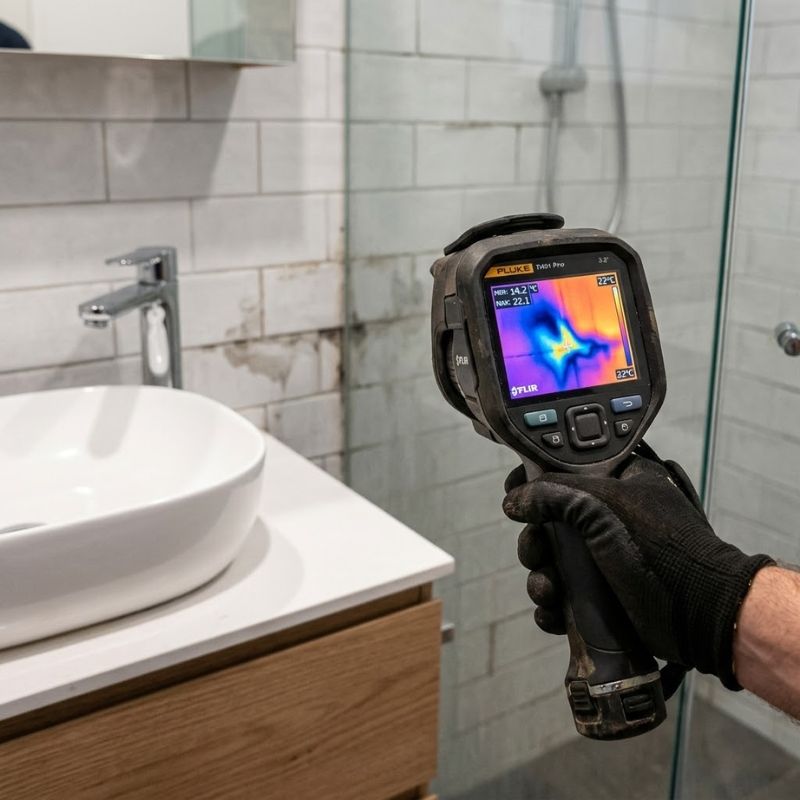
  • What we’ll do on-site: conduct visual inspections, moisture mapping, and targeted testing where suitable, then document likely entry points with notes and photos.
  • What affects time/cost: how easy it is to access suspected zones, available ceiling and underfloor clearance, wet weather conditions, whether isolation tests are needed, and whether multiple areas are showing signs of the issue.
GET A FREE QUOTE

Service Locations in Your Area

We can schedule leak detection visits in Castle Hill as part of our Sydney coverage. The goal of the first attendance is to narrow down the cause with the least disruption possible, then outline practical next steps based on what we can verify on-site.

If you live in a unit complex or managed building, it’s useful to know whether the issue is within your lot boundary or may relate to common property, including balcony membranes, planter boxes, roof sections, or shared plumbing runs. Where responsibility is not clear, we’ll record our observations so you can pass them on to the building manager or strata contact.

Site Coordination Information

A smoother visit in Castle Hill usually starts with easy access and a clear point of contact. Before we arrive, it helps if you can organise:

Parking/loading: any visitor parking rules, basement clearance limits, or loading dock instructions

Keys, gates, intercom: details on who will meet us, and how access will work for locked plant rooms, rooftops, or courtyards

Pets: make sure pets are kept away from wet areas, manholes, bathrooms, or external test points

Site contact: confirm who is able to approve access to units above or below if the leak extends

Strata/body corporate (if relevant): details for the building manager and any induction or sign-in requirements

Power/water availability: some checks may require available power and controlled use of water fixtures

What to point out: photos showing when and where the leak appears, such as after rain, overnight, or during showers, along with any previous repair notes

Types of Work We Do Locally

The following are common Castle Hill scenarios we’re asked to assess — the next step depends on what we can confirm during the visit:

  1. Ceiling staining or bubbling paint Often linked to rain or use of the bathroom above. We’ll inspect the pattern, moisture spread, and likely pathways, which may not match the location of the visible stain.
  2. Bathroom dampness that keeps returning If silicone or patch repairs haven’t resolved the issue, we’ll check for likely entry points around junctions, penetrations, floor waste areas, and nearby walls — and note whether more testing is needed before any rework.
  3. Balcony or external wall seepage Water may be entering through thresholds, cracked grout lines, joints, or wall penetrations. Access to the balcony edges and underside, where applicable, can be important to help confirm the path.
Water Leak Detection Expert in Castle Hill checking for a water leak in the bathroom

Castle Hill 2154 Coverage & Logistics

In Castle Hill, the first attendance can be shaped by site conditions and what is practical on the day. A few operational realities we plan around:

  • Units and strata workflows: we may require coordinated access across your unit and neighbouring areas if the leak is travelling
  • Multi-level access: access to roof spaces, underfloor areas, or service risers may require keys or approval
  • Weather dependency: active rain can be useful for confirming some leak paths, while extreme weather can affect safe access to roofs or external sections
  • Non-invasive limits: in some situations, the source can’t be confirmed without added isolation or follow-up checks, especially where finishes cover the pathway
  • Scheduling constraints: buildings with controlled access windows, school or retail operating hours, or minimal visitor parking can require a fixed time slot

The Property Types We Commonly See Here

In the Castle Hill area, leak detection requests generally come from:

  • Freestanding houses: roof penetrations, common wet areas, subfloor moisture paths, and ageing plumbing runs
  • Apartments/units: bathrooms, balconies, shared pipe stacks, and leaks that appear across different floors
  • Retail/light commercial: leaks affecting ceiling areas, tenancy boundaries, or rear wet zones

Access planning changes depending on the property type — for example, ceiling access panels, after-hours building entry, or needing a site manager present.

Typical Constraints That Change the Scope

Several factors regularly shape what we can confirm on the first visit:

  • No access to the area suspected to be the source, such as the unit above, roof space, or locked plant room
  • Different leak symptoms across multiple rooms that may not come from the same origin
  • Intermittent leaks that only occur under certain conditions, like wind-driven rain or specific fixtures running
  • Recent patch repairs that can conceal the original pathway
  • Restricted testing conditions such as noise limits, trading hours, or water isolation approvals

Where constraints apply, we’ll record what was observable and what is needed to move from “likely source” to “confirmed source”.

After the Visit: What You’ll Receive

After we attend a property in Castle Hill, you should expect clear, practical outputs that help you take the next step, such as:

  • Scope notes on visible moisture areas and likely entry pathways
  • Site photos of relevant junctions and penetrations where accessible
  • Recommendations for next steps — for example, whether further isolation testing is needed, or whether the issue appears consistent with a plumbing leak vs rainwater ingress
  • Observations prepared for strata coordination, where applicable

Frequently Asked Questions

Yes — or someone will need to provide access. For apartments, intercom entry and access to wet areas, balconies, or ceiling spaces is often required.

We can note indicators and likely pathways, though confirmation may depend on access to the source area. If strata is involved, having a building manager contact can help streamline entry.

{If safe, clear items from around the affected area and take a few photos showing when it appears (after rain, after shower use, etc.). Don’t run fixtures in a way that worsens damage. | If it’s safe to do so, clear items away from the affected area and take a few photos showing when the issue appears, such as after rain or after shower use. Don’t run fixtures in a way that makes the damage worse. | If safe, remove items from around the affected area and take a few photos to show when the issue appears, whether after rain, after shower use, or at other times. Avoid using fixtures in any way that could worsen the damage. | If it’s safe, move items away from the affected area and take a few photos showing when the problem appears, for example after rain or after using the shower. Don’t use fixtures in a way that could make the damage worse. | If safe to do so, clear the area around the affected section and take a few photos showing when it appears, such as after rain or shower use. Avoid running fixtures if it could worsen the damage. | If safe, make some space around the affected area and take a few photos showing when the issue shows up, like after rain or after a shower has been used. Don’t run fixtures in a way that could increase the damage. | If it’s safe, clear nearby items from the affected area and take a few photos to show when the issue appears, including after rain or after shower use. Do not run fixtures if it may worsen the damage. | If safe, remove any items around the affected area and take a few photos showing when the problem appears, such as after rain, after shower use, or under similar conditions. Avoid running fixtures

In many cases, we can narrow it down using non-invasive checks and targeted testing, but some situations still require follow-up steps where finishes block access to the pathway.

Yes — access arrangements, inductions, and approvals can be part of planning the visit, especially in units and mixed-use buildings.

Intermittent leaks can be more challenging to confirm. We’ll look at moisture readings, recurring patterns, and the history of the issue, and may recommend a timed follow-up or targeted isolation checks.

Call 1300 488 660