

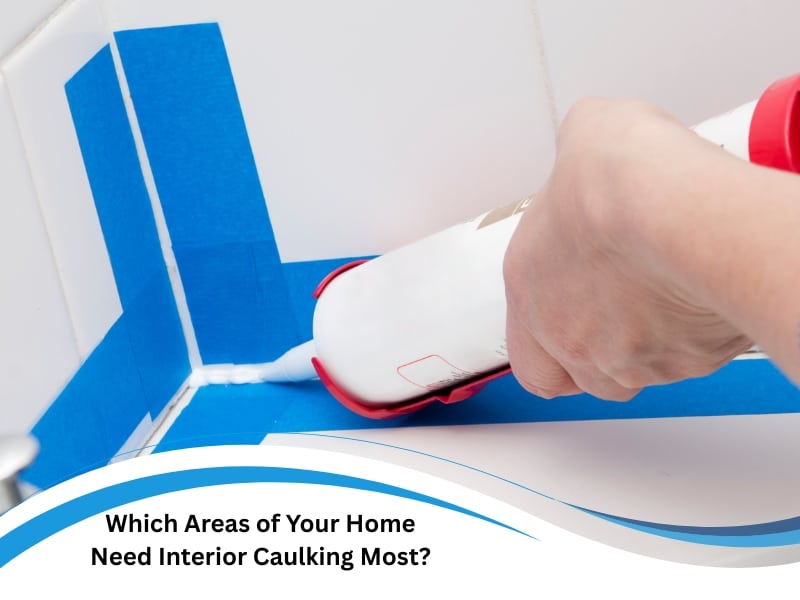
Have you ever wondered why some homes feel instantly comfortable and resilient while others seem to crumble under pressure? One factor that can play a surprisingly important role is the condition and quality of interior caulking. Small gaps and cracks might seem harmless, but they quietly allow water, drafts and pests to invade your space. Left unchecked, these breaches can develop into persistent issues that drain your budget and test your patience. This article identifies the areas that require attention first, clarifies confusion about products and methods, and provides clear instructions on how to protect your home from hidden damage.
What problems can interior caulking help prevent?
Every homeowner deals with problems caused by tiny, persistent gaps. Effective caulking acts like an invisible shield, stopping a wide range of issues before they start:
- Water intrusion: Moisture seeps into cracks, damaging plaster, timber, and flooring, which can lead to swelling or decay over time. Even small leaks around kitchen benches can cause hidden rot in cabinetry and skirting boards if ignored.
- Pest infestations: Small insects and rodents slip through unsealed joints to nest behind walls and appliances. Rodents often target warm spaces near dishwashers and appliances, where they chew on wiring and insulation.
- Mould growth: Damp spots from leaks create ideal breeding grounds for unhealthy mould spores. These spores spread beyond the original site, compromising air quality throughout your home.
- Air leakage: Drafts increase energy bills as heating and cooling systems work harder to maintain comfortable room temperatures. Continuous leaks can create uneven temperatures, especially in multi-storey properties.
In many situations, applying caulking can prevent these risks from escalating into expensive damage.
How does neglected interior caulking cause hidden damage?
Ignoring failing caulk is a sure way to let hidden damage flourish behind the scenes. Even a small split can trigger a slow domino effect.
- The first signs, such as minor staining or soft patches near sinks or bathtubs, often go unnoticed until bigger issues appear. This stage is usually easy to overlook when cleaning or performing light renovations.
- Structural deterioration: Ongoing leaks compromise the integrity of floors and walls, often resulting in rot, warped surfaces, and costly reconstruction efforts.
- Health concerns: Mould thrives in damp, dark crevices, exacerbating respiratory problems and allergies. Families with young children or elderly residents face higher health risks in unsealed spaces.
- Energy inefficiency: Gaps leak warm or cool air, forcing HVAC systems to overcompensate and driving up costs. In older brick houses, gaps multiply around door frames, compounding energy loss.
Many households can strengthen problem areas by knowing how to reseal showers to prevent water damage, especially around splashbacks, baths, and shower recesses.
Why do many homeowners ignore regular sealing needs?
People often overlook interior caulking for years, thinking it’s a low-priority chore. This mindset is risky and eventually backfires:
- Lack of visibility: Gaps behind skirting boards or fixtures are easy to miss during daily routines. Cracks behind ovens and washing machines often stay hidden for years.
- Assumptions: Some homeowners believe builders sealed everything properly during construction. In reality, new builds can settle and create fresh gaps within the first year.
- Underestimating impact: Tiny cracks can seem harmless until larger damage appears. Water stains or peeling paint often appear once repairs become unavoidable.
- Perceived inconvenience: Sealing feels messy or time-consuming despite noticeable improvements. Many postpone sealing to avoid moving furniture or taping edges.
Maintaining a regular inspection routine helps keep indoor spaces secure by sealing and protecting them long before serious problems arise.
How can interior caulking improve your indoor environment?

Good caulking isn’t only about avoiding damage—it also improves the comfort and health of every room. You’ll notice the difference quickly:
- Improved temperature control: Sealed joints block drafts and help maintain consistent indoor air temperatures, reducing power bills. This eases the load on ducted systems in larger homes.
- Healthier air quality: Mould and dust have fewer entry points, keeping air cleaner and fresher. Smaller units or townhouses with limited airflow benefit the most.
- Enhanced durability: Surfaces stay intact longer when moisture can’t penetrate seams and edges. High-quality caulk preserves painted finishes and cabinetry.
- Noise reduction: Sealing gaps between walls and floors muffles sound, adding privacy to busy households. This is particularly handy in multi-generational homes, where noise can travel easily.
A thorough approach also supports energy efficiency by improving airtightness for healthier indoor spaces, especially in older properties.
What are the best products for sealing interior spaces?
Choosing the right product can make or break your sealing project. Not all caulks perform the same way, so match materials to conditions:
Caulk Type | Best Use | Approximate Lifespan |
Acrylic Sealant | Skirting boards and dry areas | 5–10 years |
Silicone Sealant | Wet zones like bathrooms | 10–20 years |
Polyurethane Sealant | Movement-prone joints and floors | 10–20 years |
Hybrid Polymer Sealant | Multi-surface applications | 15–25 years |
When selecting, always consider:
- Flexibility: Accommodates seasonal movement without cracking. In older properties, flexibility is crucial for managing subtle shifts.
- Compatibility: Matches the surfaces you’re sealing, whether tile, timber or plaster. Some products are specifically formulated for use in kitchens and bathrooms.
- Curing time: Quick-setting options are ideal for high-traffic areas where downtime is limited. Bathrooms often benefit from faster-curing silicones.
- Paintability: Acrylics can be painted over, while silicones typically remain visible. For feature walls, paintable products are the best choice.
Long-lasting results rely on materials designed for efficient interior caulking methods that suit both wet and dry environments.
Is interior caulking different from exterior sealing methods?
While both share the same goals, interior caulking requires specific techniques to work well indoors:
- Indoor climate: Caulks must handle humidity and temperature swings without releasing fumes.
- UV protection: Exterior sealants resist sunlight, while interior formulas focus on flexibility and clean finishes.
- Application detail: Interior work often demands smoother beads to blend with paint or trims.
- Maintenance: The indoor caulk is easier to inspect and refresh, but still requires regular checks.
The right technique protects your home’s integrity and keeps each space dry, airtight and comfortable.
Final thoughts
Interior caulking may look like a modest task, but it’s the foundation of a healthy, efficient home. If you’ve noticed gaps near windows, sinks or flooring, don’t wait—minor fixes now can save bigger headaches later. Consistent sealing preserves your property, supports clean air and reduces energy bills without needing major renovations. For additional details on proven sealing practices, explore how Sydney Waterproofing Services enhances indoor protection.
