

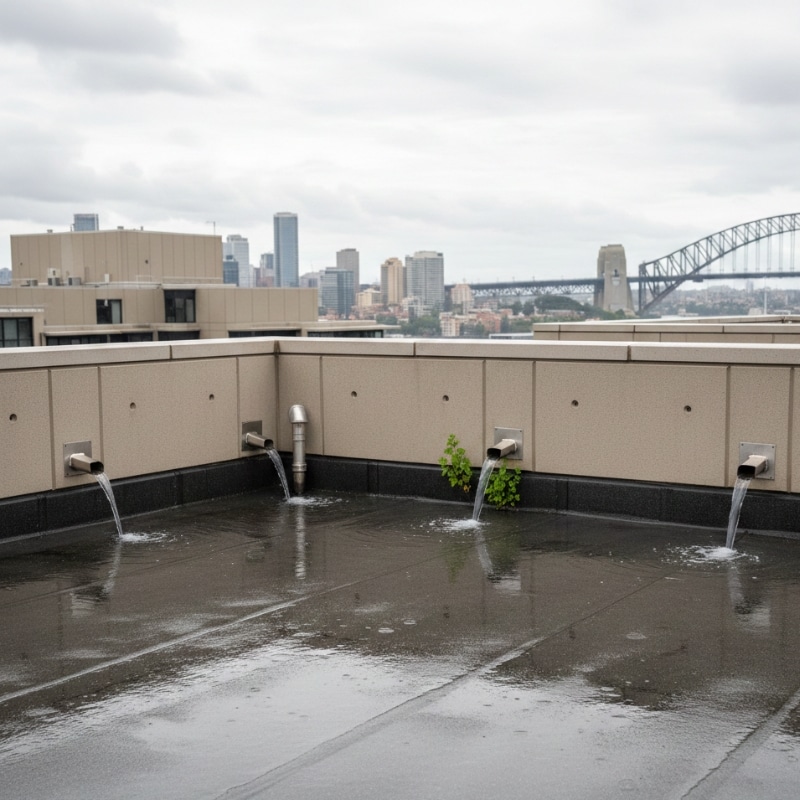
Flat roofs are a common feature across Sydney homes, apartment buildings, and commercial properties. From modern architectural designs to older strata buildings, flat roof structures rely heavily on properly maintained waterproofing systems to remain watertight over time.
Unlike pitched roofs, flat roofs don’t naturally shed water as easily. That means even minor issues in membranes, drainage points, or roof penetrations can quietly allow moisture to build up long before a visible leak appears inside.
This guide explains how flat roof waterproofing systems work, why Sydney’s climate places them under extra stress, and provides a practical maintenance checklist designed to help property owners identify problems early — before water damage becomes structural.
Why Flat Roofs Need Ongoing Maintenance in Sydney
Sydney’s weather is one of the biggest contributors to premature flat roof failure. Heavy rainfall events, sudden summer storms, high UV exposure, and temperature fluctuations all affect how waterproofing systems perform over time.
Flat roofs depend on a complete system working together, not just a single membrane layer. When one component deteriorates, water can travel laterally across the roof structure and enter the building far from the original failure point.
Regular maintenance is less about fixing leaks and more about preserving system integrity.
How Flat Roof Waterproofing Systems Actually Work
A flat roof waterproofing system typically includes:
- A waterproof membrane (liquid-applied or sheet-based)
- Substrate layers beneath the membrane
- Drainage outlets and overflow points
- Flashings around edges, walls, and penetrations
- Protective coatings or trafficable layers (where applicable)
Each layer plays a role in controlling how water moves off the roof. When maintained correctly, these systems manage rainfall efficiently even during intense weather events. When neglected, minor deterioration can compromise the entire roof.
Understanding how waterproofing systems for flat roofs function helps explain why maintenance checks must focus on more than just visible cracks or pooling water.
Why Sydney’s Climate Accelerates Waterproofing Wear
Sydney properties experience a unique combination of environmental stressors that accelerate waterproofing breakdown.
High Rainfall and Storm Intensity
Sudden downpours place pressure on drainage systems. If outlets are partially blocked, water can pond for extended periods, increasing membrane fatigue.
UV Exposure and Heat Movement
Flat roofs receive direct sunlight for long hours. UV exposure dries and embrittles membranes, while thermal expansion and contraction cause movement at joints, edges, and penetrations.
Coastal Air and Moisture
Salt-laden air in coastal suburbs can degrade certain materials faster, particularly around metal flashings and fixings.
These conditions make proactive inspection essential — especially for roofs that are more than a few years old.
Flat Roof Maintenance Checklist for Sydney Properties
This checklist is designed for routine visual inspections. It does not replace a professional assessment, but it helps identify early warning signs that something may be wrong with the waterproofing system.
1. Check for Ponding Water
After rainfall, observe how quickly water clears from the roof.
Look for:
• Water remaining after 48 hours
• Depressions forming around drainage points
• Discolouration or residue left behind by standing water
Persistent ponding accelerates membrane breakdown and often signals drainage issues.
2. Inspect Drainage Outlets and Overflows
Blocked drainage is one of the most common causes of flat roof leaks.
Check for:
• Leaves, sediment, or debris blocking outlets
• Cracked or deteriorated outlet surrounds
• Signs of water backing up during rain
Even partial blockages can overwhelm the waterproofing system during storms.
3. Examine the Membrane Surface
The waterproofing membrane should appear continuous and intact.
Watch for:
• Blistering or bubbling
• Cracks, splits, or peeling edges
• Areas where the membrane has thinned or worn away
Surface damage often allows moisture to enter below the membrane, where it spreads unnoticed.
4. Inspect Flashings and Upstands
Flashings are common failure points because they experience more movement.
Look closely at:
• Wall junctions
• Parapet edges
• Roof-to-wall transitions
Gaps or lifting in these areas frequently lead to water ingress during wind-driven rain.
5. Check Roof Penetrations and Fixtures
Any item passing through the roof creates a potential entry point for water.
Inspect:
• Vent pipes
• HVAC units
• Solar panel mounts
Seals around penetrations should remain flexible and fully bonded. Cracking or shrinkage is a red flag.
6. Look for Internal Warning Signs
Problems on flat roofs often show inside first.
Pay attention to:
• Staining on ceilings or walls
• Musty odours
• Peeling paint or plaster
These signs may indicate long-term moisture exposure rather than a recent leak.
How Maintenance Extends Waterproofing System Lifespan
Well-maintained flat roof waterproofing systems can last significantly longer than neglected ones. Small repairs and early interventions reduce the likelihood of widespread membrane failure.
Maintenance helps by:
• Preventing water from sitting on the roof
• Reducing thermal stress on materials
• Protecting vulnerable joints and transitions
• Identifying issues before structural damage occurs
Australian building performance expectations around moisture control and durability are reflected in the waterproofing and water resistance requirements under the NCC, which reinforce the importance of correctly maintained waterproofing systems in protecting building health and amenity.
When Maintenance Is No Longer Enough
There is a point where maintenance checks reveal issues that can’t be addressed with surface cleaning or minor patching.
Escalation is usually required when:
• Water ingress continues despite clear drainage
• Membrane damage is widespread
• Structural movement is visible
• Moisture is trapped beneath the waterproofing layer
At this stage, further inspection is needed to assess the condition of the full system. This is where input from rooftop waterproofing specialists becomes important, particularly for strata buildings or properties with complex roof layouts.
How Often Should Flat Roofs Be Inspected in Sydney?
Inspection frequency depends on exposure and building type, but general guidance includes:
- Visual checks after major storms
- Seasonal inspections before winter and summer
- More frequent checks for older roofs
- Immediate inspection if internal signs appear
For properties with ongoing issues or high-risk exposure, a professional roof waterproofing inspection provides a deeper assessment of membrane condition, drainage performance, and system integrity.
Common Flat Roof Maintenance Mistakes to Avoid
Many roof failures stem from well-meaning but incorrect actions.
Avoid:
• Applying incompatible sealants over existing membranes
• Ignoring small cracks or blisters
• Assuming leaks always appear directly below the problem
• Delaying inspection because damage isn’t visible inside
Flat roof systems fail quietly. Early intervention is always less disruptive than reactive repair.
Flat Roof Maintenance for Strata and Multi-Unit Buildings
Strata buildings face additional challenges due to shared roof areas and multiple penetrations. Responsibility for maintenance typically falls to owners’ corporations, making scheduled inspections even more important.
In these buildings:
• Small issues can affect multiple units
• Water may travel between levels before detection
• Repairs become more complex once damage spreads
Documented maintenance programs help protect both the building and the owners.
Final Checklist Summary
For quick reference, ongoing flat roof maintenance should include:
- Clearing drainage points
- Inspecting membrane surfaces
- Checking flashings and penetrations
- Monitoring internal signs of moisture
- Increasing inspections after storms
This approach helps Sydney property owners reduce the risk of unexpected leaks and extend the lifespan of their waterproofing systems.
Frequently Asked Questions
How long do flat roof waterproofing systems last?
Lifespan varies depending on materials, exposure, and maintenance. Regular inspections significantly extend system performance.
Can flat roofs leak without visible damage?
Yes. Water often travels beneath membranes and surfaces internally before signs appear.
Is ponding water always a problem?
Occasional short-term ponding may be acceptable, but ongoing ponding increases failure risk.
Are flat roofs suitable for Sydney’s climate?
They can perform well when correctly designed, installed, and maintained for local conditions.
Should maintenance be documented?
Yes. Records help track deterioration and support insurance and strata compliance.


