

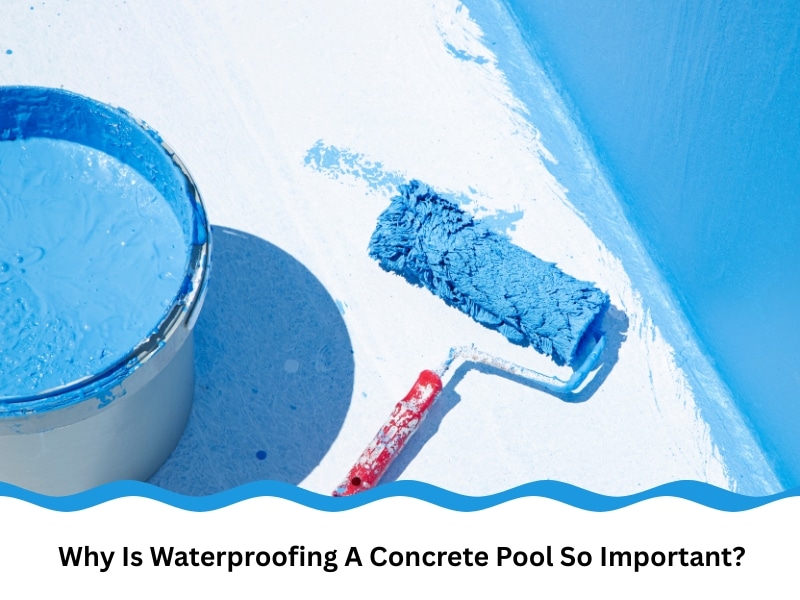
Concrete pools are tough, but they aren’t invincible. Without proper sealing, even minor water intrusion can trigger cracks, stains, and long-term structural problems. Moisture not only seeps through porous concrete but also corrodes reinforcement from the inside out. Over time, this silent damage can turn a perfectly good pool into a high-maintenance liability. This article explores how waterproofing a concrete pool protects it from hidden wear and helps extend its usable life.
What problems can develop if you skip waterproofing a concrete pool?
Neglecting to waterproof a concrete pool can lead to several issues that compromise its integrity and usability.
- Structural cracks: Water infiltration can cause the concrete to crack, leading to leaks and potential structural failure.
- Efflorescence: The appearance of white, chalky deposits on the pool surface indicates water is seeping through the concrete, bringing minerals to the surface.
- Algae growth: Moisture trapped in the concrete can promote algae growth, making the pool surface slippery and unsightly.
- Increased maintenance costs: Ongoing water loss and damage require frequent repairs, increasing the overall cost of pool ownership.
Left unchecked, these issues can reduce the usable life of your pool. Explore effective solutions for waterproofing a pool to prevent leaks, minimise risks and safeguard your investment.
Could tiny cracks ruin your pool’s long-term durability?
Even small cracks in a concrete pool can escalate into significant problems if not addressed promptly.
- Water leakage: Minor cracks can allow water to seep out, resulting in water loss and higher utility bills.
- Soil erosion: Escaping water can erode the soil around the pool, potentially causing the pool to shift or settle unevenly.
- Corrosion of reinforcement: Water ingress can reach the steel reinforcement within the concrete, leading to rust and weakening the structure.
- Expansion of cracks: Temperature changes and freeze-thaw cycles can cause small cracks to expand, exacerbating the damage.
While minor cracks may seem harmless, if left untreated, they can lead to serious structural issues. This is one reason waterproofing compliance requirements for wet areas include specific details on concrete structures exposed to water.
Why do waterproofing problems often go unnoticed?
Waterproofing issues in concrete pools can be subtle and develop over time, making them difficult to detect until significant damage has occurred.
- Hidden leaks: Water can leak through microscopic pores or hairline cracks, often escaping detection in the early stages.
- Delayed symptoms: Signs such as efflorescence or algae growth may take time to appear, thereby delaying detection.
- Misattribution: Issues such as water loss might be incorrectly attributed to evaporation or splash-out rather than leaks.
- Lack of regular inspections: Without routine checks, early signs of waterproofing failure can be missed.
Because these problems often hide in plain sight, even an experienced pool owner may not realise there’s an issue until it’s well advanced. A case study of moisture issues in heritage pools revealed how misdiagnosis can delay crucial repairs.

What should you know before waterproofing a concrete pool?
Proper preparation and understanding are essential before undertaking the waterproofing process.
- Surface preparation: The pool surface must be clean, dry, and free of contaminants to ensure proper adhesion of waterproofing materials.
- Material compatibility: Ensure that the chosen waterproofing products are compatible with the existing pool materials.
- Weather conditions: Waterproofing should be performed in suitable weather conditions to allow for proper curing and prevent issues such as blistering.
- Professional assessment: Consulting with a waterproofing specialist can provide insights into the best approach for your specific pool.
Getting the prep work right is half the battle. If you’re unsure where to start, you can learn how different approaches to concrete pool waterproofing compare in terms of durability and cost based on actual long-term use.
How do materials impact waterproofing a concrete pool?
The choice of materials plays a significant role in the success of waterproofing a concrete pool.
- Cementitious coatings: These are easy to apply and bond well with concrete but may lack flexibility.
- Liquid membranes: Offer flexibility and are suitable for complex shapes, but require careful application.
- Crystalline waterproofing: Penetrates the concrete to form crystals that block water pathways, providing long-term protection.
- Epoxy coatings: Provide a durable, chemical-resistant surface, but can be more expensive and require professional application.
Some materials require more care in application than others. Durability often depends on how well the chosen material suits the pool’s unique shape and location.
Can waterproofing a concrete pool improve its lifespan?
Effective waterproofing can significantly extend the life of a concrete pool by preventing water-related damage.
- Prevents structural damage: By keeping water out, waterproofing protects the concrete and reinforcement from deterioration.
- Reduces maintenance needs: A well-sealed pool is less prone to issues like algae growth and surface staining.
- Enhances durability: Waterproofing materials can add a protective layer that resists wear and chemical damage.
- Maintains aesthetic appeal: Prevents unsightly issues like efflorescence and discolouration, keeping the pool looking its best.
Here’s a breakdown of how waterproofing supports each of these key benefits:
Benefit | How Waterproofing Helps | Long-Term Impact |
Structural protection | Stops water from reaching steel reinforcements | Prevents cracks, shifts, and corrosion |
Maintenance reduction | Seals porous surfaces, blocking algae growth | Fewer cleanings and less chemical use |
Increased durability | Adds chemical and abrasion resistance | Longer lifespan with fewer issues |
Aesthetic preservation | Prevents mineral leaching and discolouration | Surface remains clean and visually appealing |
There’s no shortcut to longevity. When done correctly, waterproofing adds decades of performance to your pool. And that’s true whether you’re retrofitting or building new — the payoff is long-term peace of mind.
What should you consider after waterproofing a concrete pool?
Post-waterproofing care is crucial for maintaining the effectiveness of the waterproofing and the overall health of the pool.
- Curing time: Allow adequate time for the waterproofing materials to cure before refilling them with water.
- Regular inspections: Periodically check for signs of wear or damage to the waterproofing layer.
- Chemical balance: Maintain proper water chemistry to prevent damage to the waterproofing materials.
- Prompt repairs: Address any issues, such as cracks or peeling, promptly to prevent water ingress.
You’ll get the most value out of your waterproofing if you treat maintenance as an ongoing habit, rather than a one-time job. Skipping follow-ups might bring you back to square one sooner than expected.
Final thoughts
Waterproofing is a critical aspect of concrete pool construction and maintenance. It prevents a host of issues that can compromise the pool’s structure, appearance, and usability. Whether you’re building new or managing an older pool, find out how Sydney Waterproofing Services can support your waterproofing needs.


