

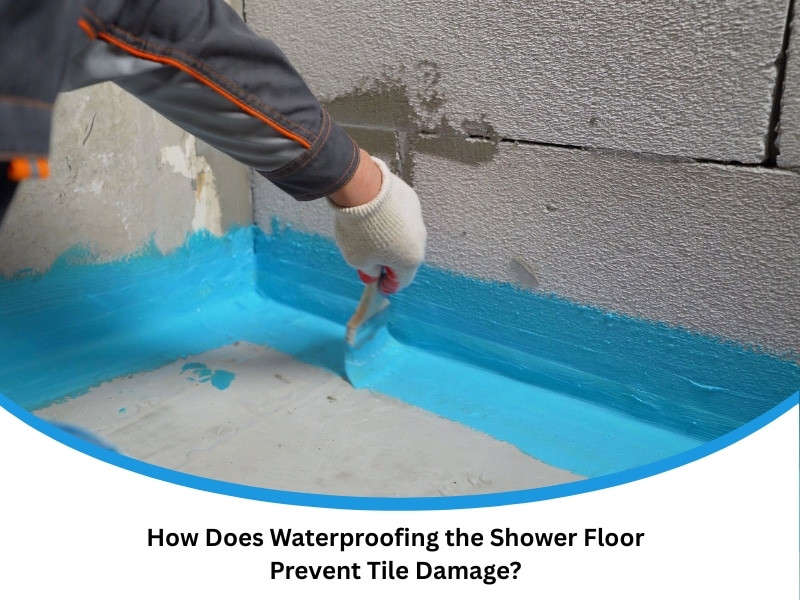
When a shower floor isn’t sealed properly, water doesn’t just sit — it seeps. Over time, this can cause significant issues beneath your tiles, from cracking and lifting to mould growth. Understanding how to protect your bathroom begins with identifying the real vulnerabilities. This article explores how waterproofing the shower floor acts as the first line of defence against tile damage and long-term structural wear.
What signs show your shower floor isn’t sealed correctly?
It’s easy to overlook subtle changes in your shower floor until it’s too late. But there are clear warning signs that your waterproofing has failed or is missing altogether.
- Loose or hollow-sounding tiles when tapped can signal trapped moisture underneath.
- Dark patches or staining in the grout are warning signs of water seepage.
- Persistent, musty smells may indicate underlying dampness or mold.
- Dampness in adjoining rooms or walls is often caused by leaks below the surface.
While these signs aren’t always dramatic, ignoring them can quickly worsen the situation. Even the most durable tiles can’t stop water once the membrane underneath gives way. If you’re unsure where to start, it helps to find effective solutions for waterproofing shower floors before more damage is done.
Can poor waterproofing lead to cracked or lifted tiles?
Absolutely. Water that seeps beneath the tile surface starts to compromise the adhesive that holds your tiles in place. Over time, this weakens the bond, leading to cracking, warping, or complete tile dislodgement.
- Water softens the tile adhesive, making it unstable over time.
- Changes in temperature cause expansion and contraction, which worsen lifting.
- Trapped moisture may freeze in colder weather, causing the tile base to crack.
- Grout erosion can allow more water to enter the subfloor, thereby accelerating damage.
If you’re dealing with a leaky shower and need quick waterproofing fixes for a leaking shower base, don’t delay. Once water penetrates the substrate, it’s only a matter of time before the tiles start to show signs of distress.
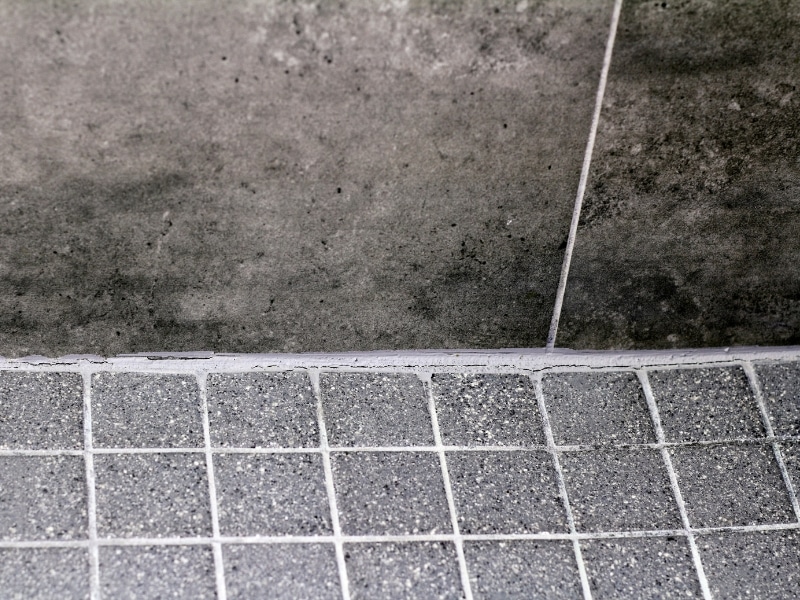
Why does moisture under tiles often go unnoticed for months?
Because most tile issues start below the surface, many homeowners don’t realise anything is wrong until the damage is obvious. Moisture gets trapped in layers beneath the tiles, quietly weakening the structure.
- Tiles are water-resistant, but they aren’t waterproof on their own.
- Subtle leaks can remain hidden without visible signs for months.
- Poor ventilation allows moisture to linger longer than expected.
- Regular cleaning can mask deeper issues in the grout and silicone.
This slow and silent progression is why early action is so necessary. Even with a spotless bathroom, you could be one small step away from severe water damage. It’s also smart to understand how moisture buildup can lead to indoor mould growth, as this can pose health risks along with property damage.
How does waterproofing the shower floor prevent long-term damage?
Waterproofing creates an essential barrier between the surface you see and the structure beneath. This stops water from pooling under the tiles and causing irreversible harm.
- A membrane layer protects the subfloor from constant water exposure.
- It helps prevent swelling, cracking, and timber rot in adjacent areas.
- Keeps grout and tile adhesives from weakening over time.
- Reduces the risk of dampness travelling to nearby rooms or floors.
Without a reliable waterproof layer, even small daily showers contribute to major structural issues. Applying a waterproofing system before tile installation is one of the simplest ways to reduce long-term costs. It also complements other maintenance methods, such as resealing techniques to prevent bathroom water damage, ensuring every layer works together effectively.
What steps ensure the waterproofing of the shower floor is done right?
Getting the job done properly requires attention to detail and following best practice standards. A rushed or incomplete job will almost certainly come back to bite you.
- Ensure the shower base is clean and dry before applying any membrane.
- Use a primer suitable for your surface to improve adhesion.
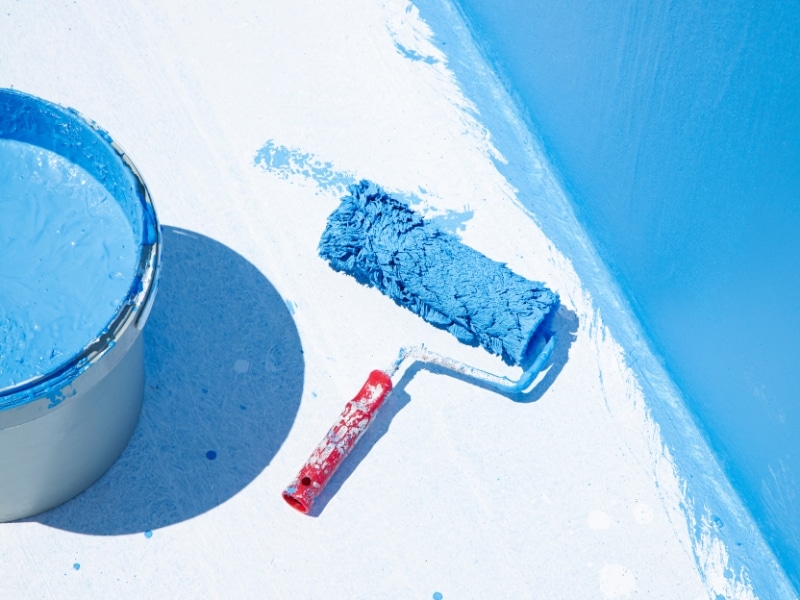
- Apply at least two coats of a waterproofing compound, allowing the compound to dry completely.
- Install a waterproofing upturn at the wall-to-floor joint to block edge leaks.
Failing at any of these stages can undo all the good work that has been done. Once water finds a weak spot, it will continue to exploit it. So, whether you’re renovating or building from scratch, never skimp on this part of the job.
Is it better to waterproof before or after tiling?
Waterproofing should always come before tiling. Tiles and grout alone aren’t designed to hold back water in the long term. Sealing first creates a controlled environment that tiles can then finish off aesthetically.
- Tiles protect the membrane from daily wear, while the membrane blocks water entry.
- Post-tiling sealants don’t reach the areas that matter most — underneath.
- Mistakes made during tiling can’t be fixed without lifting everything again.
- Proper sequencing ensures compliance with building codes and warranties.
If waterproofing is done after tiling, it’s often too late. The water may have already begun its journey beneath, and stopping it at the surface won’t resolve the root cause.
Here’s a clear comparison of when to waterproof and the risks of doing it too late:
Stage | Action | Risk Level |
Before tiling | Apply membrane & test coverage | Low risk |
After tiling | Use surface sealants only | High risk |
Mid-way tiling | Stop and try to waterproof gaps | Very high risk |
How does floor waterproofing help preserve your bathroom over time?
Beyond preventing tile damage, floor waterproofing plays a significant role in your bathroom’s long-term integrity and functionality.
- Protects floor joists and subfloor from decay and warping.
- Reduces humidity-related wear on paint, cabinetry, and fittings.
- Limits the need for expensive retiling or floor replacement.
- Helps maintain a cleaner, fresher-smelling bathroom environment.
Bathrooms are high-moisture zones by design, and every element — from silicone to caulk — is under constant stress. A solid waterproofing base enables everything above it to perform its job more effectively. When moisture can’t move freely, it’s less likely to cause trouble elsewhere.
Final thoughts
Waterproofing shower floor areas isn’t just a box to tick — it’s the unsung hero of a functional bathroom. Neglecting it puts both aesthetics and structure at risk. And the damage doesn’t announce itself — it creeps in slowly and costs a fortune to undo.
If you’re dealing with damp patches, cracked tiles, or that familiar mouldy smell, don’t wait for things to get worse. For practical advice and solutions, see how Sydney Waterproofing Services can help with your waterproofing needs.


