


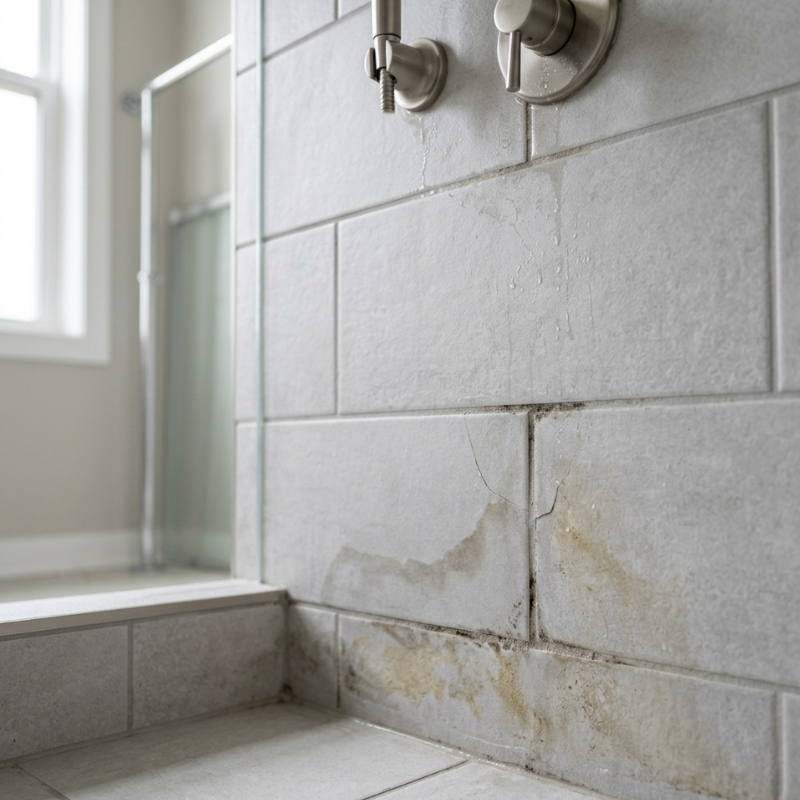
The silent enemy in many Sydney renovations is not the colour of the tiles or the choice of tapware; it is a hidden waterproofing fault that lets moisture creep behind finishes and into the structure. By the time puddles form or tiles shift, the repair bill can skyrocket. The good news is that bathrooms often whisper warnings long before a major leak appears. This guide walks you through seven of the most common early signals so you can act quickly and protect both your renovation budget and your health. If any of the symptoms below keep returning, intensify, or appear in clusters, it may be time to seek professional bathroom waterproofing help rather than patching the surface again.
Why Early Detection Matters in Sydney Bathrooms
Moisture trapped behind walls or under floors is more than an aesthetic problem. Once water bypasses the membrane, it can:
- Trigger mould that compromises indoor air quality and aggravates asthma
- Loosen structural framing as timber swells and dries repeatedly
- Create ideal conditions for termites that prefer damp soft timber
- Weaken tile adhesive and cause costly retiling
- Reduce property value during pre-sale inspections
Sydney’s humid summers, coastal salt air, and sudden winter cold fronts place extra stress on bathroom membranes. Thermal movement can open hairline cracks while condensation lingers on surfaces. The NSW Building Code now requires compliant membranes and flood tests on new bathrooms, but older homes, DIY renovations, or bargain quotes may not have enjoyed those safeguards. For current rules, see the NSW Fair Trading bathroom renovation guidelines.
When you understand the early warnings, you can arrange targeted repairs before moisture spreads into adjoining rooms or seeps down to lower floors in apartments.
Visual and Sensory Red Flags You Can’t Ignore
Below are the seven most common “taps on the shoulder” a failing bathroom membrane will give you. One sign on its own may be minor. Two or more together usually point to a developing leak.
Musty Odours and Persistent Dampness
If your bathroom smells earthy or musty even after cleaning, moisture is likely trapped somewhere. Humid Sydney mornings can amplify the odour, especially if exhaust fans are under-powered or seldom used. Place your hand on the suspect wall; a cooler temperature than the surrounding surfaces often hints at hidden damp.
Hairline Cracks or Lifting Grout
Fine fissures between tiles, or grout that crumbles when you run a fingernail over it, means water has started to weaken the cementitious grout matrix. In showers, gravity pulls moisture downwards so cracks near the floor junction are the first to show. Pay close attention to corners and bench-to-wall interfaces.
Swollen Skirting Boards or Door Frames
Timber and MDF swell when they absorb water. If bathroom skirtings, architraves, or the bottom of the door frame feel spongy, the membrane may have failed behind the wall allowing moisture to wick into the timber.
Peeling Paint, Bubbling or Stained Walls
Paint relies on a dry substrate to adhere. Brownish stains, bubbling sections, or paint that peels back in sheets suggest water is migrating through the plasterboard. Because paint is a vapour barrier, it often traps moisture, causing the surface film to lift.
Dark Patches Appearing Around the Shower Recess
Blurred, darker coloured tile edges, especially where the wall meets the floor, can point to moisture sitting beneath tiles. In natural stone it may look like a spreading wet patch. In glazed ceramics it may appear as shadowing behind the glaze.
Loose or Drummy Tiles
Tap suspect tiles lightly with the handle of a screwdriver. A hollow or drummy sound indicates the tile has detached from the adhesive bed, often due to moisture breakdown. Over time these tiles can crack under foot pressure.
Mould Lines Creeping Outside the Shower
Mould in the grout lines outside the immediate wet area suggests water vapour or direct leakage is escaping the shower zone. While surface mould can be wiped, its return within days hints at ongoing moisture behind the surface.
Minor Sign vs Serious Symptom: A Quick Triage Table
It is easy to panic when you spot the first bubble of paint, yet not every discolouration justifies lifting tiles the next day. The table below helps you decide whether to monitor, tackle a quick surface fix, or arrange a professional inspection.
| Sign Spotted | What It May Mean | Suggested First Step |
| Slight musty smell after long showers, no visible damage | Condensation build-up, poor ventilation | Improve fan, leave door open, recheck in a week |
| Hairline grout cracks, stable over months | Normal expansion or age | Clean, seal, monitor for widening |
| Grout cracks widening or turning dark, parts lifting | Moisture breakdown, membrane stress | Arrange moisture meter test, consider professional help |
| Peeling paint on ceiling with brown edge | Condensation pooling or minor leak above ceiling | Inspect exhaust fan and above-ceiling pipes, repaint only after drying |
| Swollen skirting within 48 hours of mopping | Membrane breach around floor junction | Stop wet cleaning, book inspection |
| Hollow sound under multiple floor tiles | Adhesive failure often linked to moisture | Likely tile removal and membrane repair required |
| Mould reappearing days after cleaning outside shower | Persistent hidden moisture | Professional assessment recommended |
Monitoring is useful for isolated or slow-developing issues. If signs escalate or cluster, early expert intervention minimises demolition and repair scope.
Common Mistakes Homeowners Make When They Spot Moisture
- Re-grouting over damp surfaces – new grout traps water underneath, accelerating decay.
- Using silicone as a band-aid – silicone sticks poorly to compromised, wet substrates.
- Painting over stains without fixing the cause – mould spores and moisture will resurface.
- Blaming plumbing instantly – while leaks do exist, in bathrooms the membrane is often the weakness.
- Ignoring ventilation faults – a noisy or dusty fan can halve its extraction rate.
Avoid quick fixes that hide the real problem. If you must hold off on repairs, keep the area as dry as possible and track any changes weekly.
When Monitoring Is Fine and When a Professional Check-Up Is Safer
A moisture meter from a hardware store can help you gauge surface damp levels. Mark readings on painter’s tape and compare after a week of normal bathroom use. If levels fall steadily, the issue may have been minor condensation. Rising or stable high readings signal an internal source.
DIY checks can provide reassurance, yet they cannot:
- Locate a puncture in a membrane beneath tiles
- Confirm if water has reached the subfloor or adjoining walls
- Issue compliance documentation needed for insurance claims
When readings stay high or visible damage worsens, browsing our step-by-step waterproofing process will help you understand how specialists diagnose and repair the underlying breach before recommending a remediation path.
How Sydney’s Coastal Climate Accelerates Waterproofing Wear
Living close to the coast adds saline moisture to bathroom air. Salt crystals can erode tile glaze, pit chrome fixtures, and, crucially, create micro-abrasions in sealants. Combine this with Sydney’s summer humidity spikes above 70%, and membranes flex more frequently. Temperature swings between a hot shower and a brisk southerly change cause thermal expansion of substrates, opening hairline fractures at wall-floor junctions. Homeowners in beachside suburbs like Coogee or Cronulla should inspect grout and silicone seasonally, while western Sydney residents face larger humidity swings between dry winters and muggy summers. Either way, proactive checks at the turn of each season help detect minor breaches early.
What to Expect Next: From Leak Detection to Remedial Waterproofing
- Moisture Mapping – Professionals use infrared cameras and pin meters to trace moisture spread beyond visible damage.
- Targeted Tile Removal – Only the affected zone is opened initially, saving serviceable finishes.
- Membrane Assessment – Technicians identify punctures, delamination, or laps that have lifted.
- Substrate Drying – Commercial dehumidifiers draw moisture from timber and screed to prevent mould rebound.
- Re-Waterproofing and Flood Test – A new compliant membrane is applied, followed by a 24-hour flood test to confirm no leaks.
- Retiling and Sealing – Tiles are relaid or matched as closely as possible, grout sealed, and silicone applied to corners and junctions.
The entire process can span a few days to a couple of weeks depending on drying time and material lead times. Acting when problems are in their infancy keeps both cost and disruption lower.
FAQs
1. How long should a bathroom waterproofing membrane last in Sydney?
With correct installation and normal home use, modern membranes can last 10–15 years. Coastal salt, harsh cleaners, or movement in the subfloor can shorten that span. Annual inspection of grout and silicone helps catch early issues.
2. Can I just re-silicone my shower to fix small leaks?
Fresh silicone may stop surface water escaping, but it will not repair a breached membrane behind the tiles. If leaks persist beneath the surface, water will continue to travel unchecked.
3. Is a musty smell always a sign of waterproofing failure?
Not always. Poor ventilation and condensation can create temporary odours. If the smell returns quickly after cleaning and airing out, investigate further.
4. Will my insurance cover bathroom water damage?
Policies vary. Insurers usually cover sudden pipe failures but may refuse to cover gradual leaks caused by poor maintenance or non-compliant waterproofing. Keep records of compliance certificates for any renovation work.
5. How often should I run a flood test on my bathroom?
Flood tests are typically performed only during new builds or major repairs. Routine checks are not practical, but prompt professional assessment when signs appear is wise.
Final Thoughts
Waterproofing rarely fails overnight. It sends subtle signals first, from a whiff of damp to a swelling skirting board. Use the checklist and table above to decide whether a symptom is harmless condensation or a red flag for hidden damage. Early action, even if it is simply boosting ventilation or arranging a moisture test, helps preserve finishes, structures, and indoor air quality. If multiple signs point to a deeper issue, arranging an expert inspection early is the safest way to keep your Sydney bathroom healthy for years to come.

)
&description=&image=https://sydneywaterproofingservices.com.au/wp-content/uploads/2026/06/7-Early-Signs-Your-Bathroom-Waterproofing-Is-Failing-Before-the-Tiles-Crack.jpg)